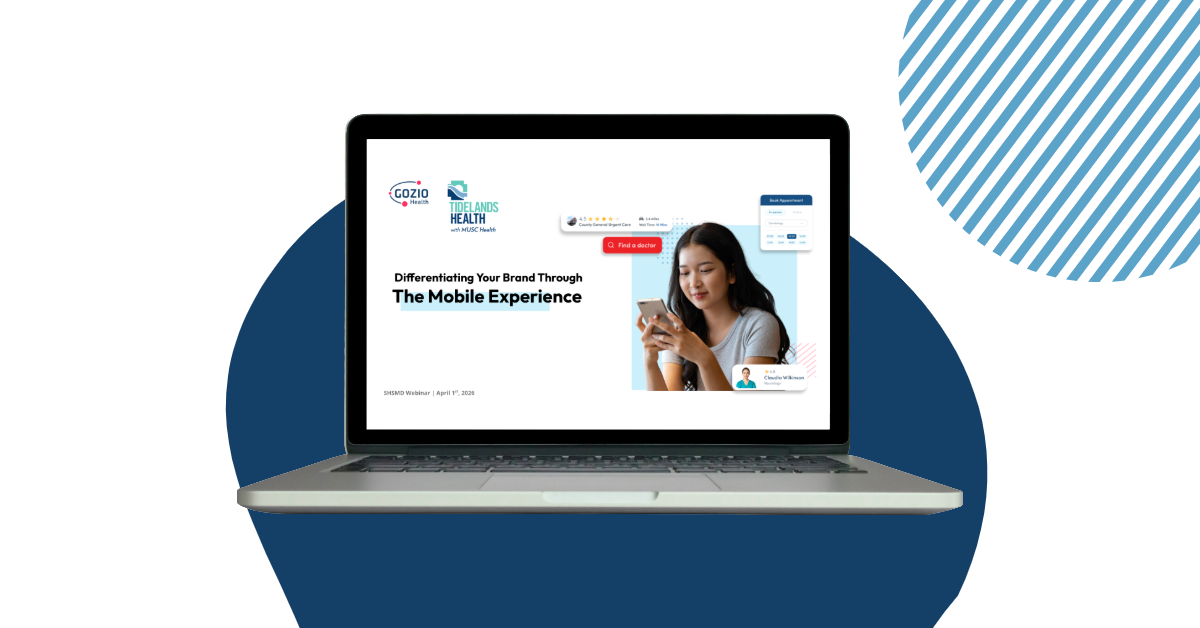
It's hard to remember a time before smartphones. The days when you had to cook dinner for the family instead of just ordering DoorDash. Or the times when you prayed you could find a taxi at night instead of easily catching a ride with a friendly Uber driver. Yes, mobile applications have transformed every aspect of our lives.
So what about healthcare?
The healthcare industry is undergoing a rapid transformation thanks to healthcare mobile apps. These apps empower patients by offering convenient access to their health information, enabling them to schedule appointments, find urgent care, and receive timely reminders. This seamless integration of technology allows individuals to take charge of their health and well-being, something they've been wanting, as 71% of patients say they prefer to use a mobile device with their provider.
In this post, we'll break down the key benefits of mobile applications in the healthcare industry and the future of these solutions.
Benefits of Healthcare Mobile Applications
EnhancingPatient Engagement: Mobile applications provide patients convenient access to their health information, empowering them to participate actively in their healthcare. These apps enable users to monitor symptoms, track medication, and manage activity levels, facilitating the recognition of health patterns and informed decision-making.- Improving Provider-Patient Communication: Mobile apps play a pivotal role in enhancing communication between healthcare providers and patients. Providers can utilize these apps to send reminders for appointments, share lab results, and distribute educational materials. Additionally, patients can use the apps to schedule appointments, pose queries, and offer feedback.
- Facilitating Interprofessional Collaboration: Mobile apps foster collaboration among healthcare providers and various professionals. Providers can share patient information and treatment plans through secure messaging systems, ensuring coordinated care and enhancing patient outcomes.
- Contributing to Population Health Support: Mobile apps are valuable tools for collecting data on population health trends. This data can be harnessed to develop targeted interventions to improve communities' overall health.
The Future of Mobile Platforms in Healthcare
Healthcare providers increasingly embrace mobile applications to enhance patient care and communication, but that doesn't mean the perfect app is out there. Not yet, at least.
Some common features that will reshape the future of mobile applications in healthcare:
- Appointments & Reminders: Mobile apps effectively remind patients of upcoming appointments, medication schedules, and other crucial information.
- Prescription Management: These apps facilitate prescription tracking, enabling patients to monitor and refill medications as necessary while locating the nearest pharmacy.
- Lab Results: Mobile applications empower patients to access their lab results online, eliminating the need to await a call or visit from their healthcare provider.
- Health Tracking: Mobile apps assist patients in monitoring health metrics like weight, blood pressure, and activity levels. The gathered information can be shared with healthcare professionals or utilized for implementing lifestyle changes.
Mobile Applications Wrapped-Up
Integrating mobile applications in healthcare is revolutionizing patient engagement, communication, interprofessional collaboration, and population health support. Mobile platforms are reshaping healthcare, empowering individuals to manage their well-being proactively.
Read more about the current landscape of patient engagement solutions like mobile apps in the KLAS 2023 Patient Engagement Ecosystems Report.